
Home of Cards: Cozy Solitaire
Steamroller GamesCard
4.7118.00 Reviews
- Version
- 1.48.2
- Installs
- 100.00K
- Age Rating
- Everyone
Screenshots

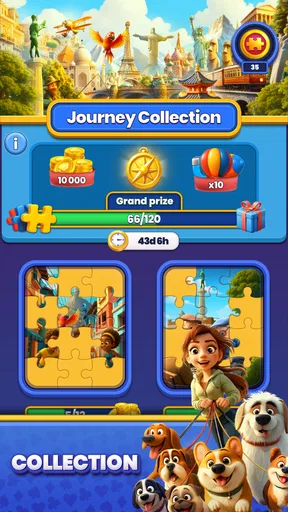
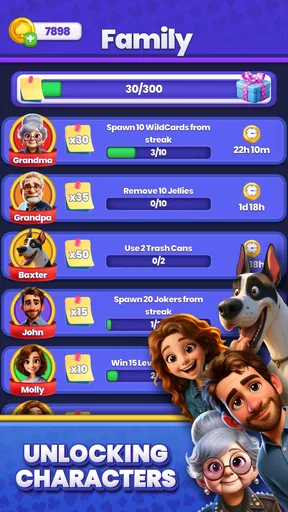
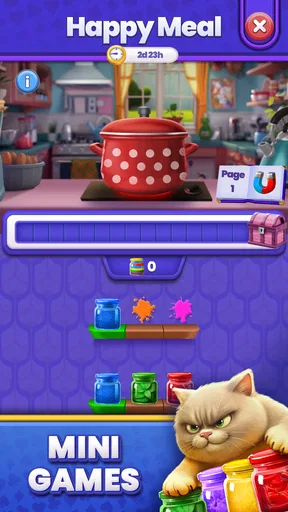
Our Review of Home of Cards: Cozy Solitaire
 Analysis by Appyee
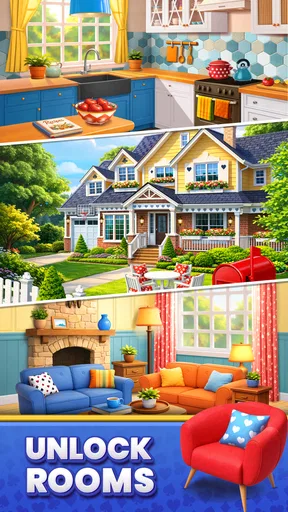
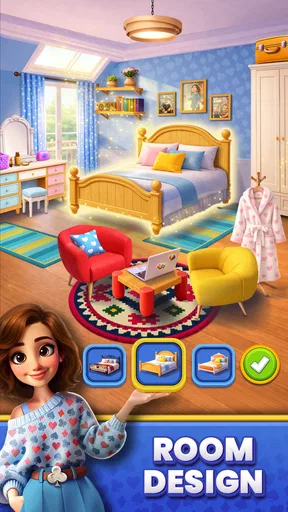
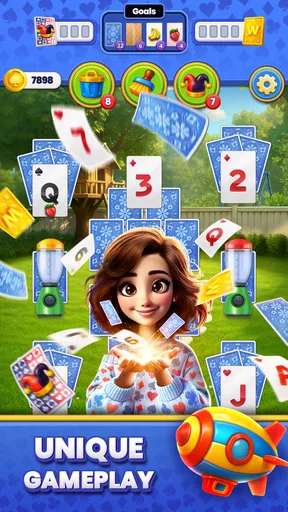
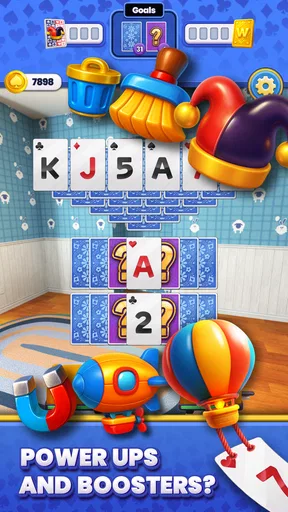
I went into Home of Cards: Cozy Solitaire expecting a familiar card game with a decorative layer attached, and that is mostly what I found: a Tripeaks solitaire experience designed to be played in small, comfortable sessions while a home gradually becomes part of the reward loop. The card play is the reason to return, but the decorating gives each completed round a little more purpose than simply clearing a board.
That combination makes a strong first impression. It is easy to understand, visually gentle, and free to start. After spending time with it, though, I think its lasting value depends less on the home-building idea and more on whether you genuinely enjoy repeating Tripeaks patterns. The decoration can make the opening sessions feel fresh, but it cannot completely hide the repetition of the underlying card format.
How the first week feels
The opening appeal is immediate because the game does not ask me to learn a complicated ruleset. Tripeaks is recognizable to anyone who has played casual solitaire, yet it still creates small decisions: which exposed card to remove, when to preserve a possible continuation, and how aggressively to chase a longer run. That makes each board feel more active than simply turning cards over one at a time.
The home theme gives those decisions a clearer rhythm. A successful round does not feel like an isolated puzzle; it contributes to a broader sense of progress. I found that especially effective during short breaks, when I wanted something more engaging than a passive time-killer but did not want to commit to a large strategy game. One or two rounds can fit naturally into a commute, a coffee break, or the few minutes before bed.
Steamroller Games has positioned the game as a card title for a broad audience, and the Everyone rating matches that approachable presentation. There is no need to be an experienced solitaire player to understand the basic objective. The challenge comes from managing the order of your moves rather than from learning a dense set of rules.
The most useful early habit is to stop treating every available card as equally valuable. When several moves are possible, I try to identify which removal exposes the most useful card underneath or keeps the longest chain available. Taking the first legal move often works, but it can also close off the better route. This small change in how I played made the boards feel more thoughtful without making them stressful.
Another practical tip is to avoid spending every helpful resource immediately just because it is available. In a Tripeaks layout, a move that looks convenient now may be less useful than preserving flexibility for the next sequence. I would rather accept a slower board than burn through options before the hidden cards have opened up. That is a simple approach, but it is one of the differences between casually tapping through a round and actually improving at the game.
The decoration layer also helps soften failure. Losing a board is less discouraging when the surrounding experience still feels calm and when the next attempt has a visible purpose. I would not call the game a pure relaxation tool, because unlucky layouts or a poor decision can still irritate me, but its tone is much lighter than a competitive card game built around rankings or direct opponents.
It is worth being clear about the business model before settling in. The game is free to download and play, while optional in-app purchases range from $0.99 to $99.99 per item. That wide range means I would approach the purchase side carefully, especially if the game is being used by a younger player. The age rating is Everyone, but an age-friendly presentation does not remove the need for sensible purchase controls.
What makes the opening sessions work
The strongest early loop is the relationship between a compact card puzzle and a visible home project. If I only wanted traditional solitaire, the extra layer might seem unnecessary. If I enjoy light customization, however, it gives the familiar format a reason to feel personal. The game does not need a dramatic story to create momentum; it relies on the small satisfaction of finishing a round and seeing that effort connected to the next improvement.
That structure is also why the game is more suitable for relaxed, repeatable play than for a single long sitting. I can imagine opening it while waiting for an appointment, playing a few boards, and leaving without feeling that I abandoned a complicated campaign. The low commitment is a genuine strength, particularly for people who want a game that respects interruptions.
At the same time, the first-week charm can be misleading. Decorating is most exciting when every change feels new. Once the visual novelty settles, the quality of the card loop becomes much more important. Anyone downloading it mainly for interior design may find the solitaire rounds too central, while a dedicated card player may eventually view the home as a pleasant wrapper rather than a reason to continue.
What remains after the novelty fades
Month-to-month value comes down to habit. This is not the kind of game I would recommend because it offers a definitive ending or a deep competitive ladder. I would recommend it to someone who likes a dependable daily ritual: open the app, clear a few Tripeaks layouts, make gradual progress, and stop whenever the session no longer feels relaxing.
The 4.7 average from around 3.3 thousand ratings suggests that the overall formula has connected with many players, and more than 100 thousand installs show that it has found a substantial audience. Those figures do not tell me whether every player stays for months, but they do fit my experience of the game’s appeal: it is easy to pick up, pleasant in short bursts, and understandable without much preparation.
For recurring value, I look for three things. First, does the central activity remain enjoyable after the visual introduction? Second, does progress feel meaningful without demanding constant attention? Third, can I return after a break and immediately remember what I was doing? This game performs well on the second and third points. The first depends heavily on my tolerance for repeated solitaire boards.
The decorative goal can support a routine because it gives each session a modest destination. I do not need to remember a complicated plot or rebuild a strategy from scratch after missing a week. That makes the game particularly suitable for players who prefer low-pressure progression. It is also useful for people who enjoy collecting or arranging improvements but do not want a full simulation game with extensive management.
One less obvious trade-off is that the home progression can change how I judge a card round. In ordinary solitaire, I mainly care whether I win. Here, I also think about whether the time spent was moving the broader project forward. That can make a difficult board feel worth retrying, but it can also make a disappointing run feel more annoying if I was counting on progress. The reward layer adds motivation, but it also raises expectations.
I would not use this as my main choice for serious card practice. A stripped-back solitaire app is usually better when I want quick access to rules, minimal distractions, or a more traditional presentation. Likewise, players who want head-to-head tension, elaborate deck-building, or a strong narrative should look elsewhere. The appeal here is narrower and more specific: casual Tripeaks with a cozy home-building purpose.
Who is likely to keep playing?
I think it has the best chance of becoming a regular app for three groups. The first is the casual solitaire player who likes a little extra context around each board. The second is someone who enjoys decorating themes but wants the activity to be interactive rather than purely visual. The third is a player who values short sessions and does not want a game that punishes them for putting it down.
It is less convincing for people who need constant mechanical variety. If you become restless when the same basic card decisions return repeatedly, the home layer may delay that fatigue but probably will not prevent it. Players who dislike optional purchases may also feel uncomfortable with the free-to-play structure, even if they never intend to buy anything. In that case, a paid, simpler solitaire title could be a better fit because its boundaries are easier to understand.
A realistic everyday scenario would be an evening routine after work. I might have ten quiet minutes, open the game, and play until I complete a useful sequence or reach a natural stopping point. The home project gives the session a small sense of completion, while the card rules keep the mental effort light. If I am tired, I can stop without losing the thread. If I have more time, I can continue, although I would not expect the experience to transform into a deeper game simply because the session is longer.
Maintenance, friction, and reasons to take a break
The maintenance burden is modest in terms of attention, but it is not zero. Any game built around repeated progression can become part of a routine that feels more obligatory than enjoyable. I try to treat this one as an optional break rather than a task. If I start playing only to avoid falling behind, the cozy presentation loses much of its value.
The version I reviewed is 1.48.2, and it runs on devices using Android 6.0 or later. That broad compatibility makes it accessible to people who are not using a recent phone, although the experience will still depend on the age and condition of the individual device. I would keep enough free space for normal app operation and updates, but I would not choose an older phone as the place to test whether the game feels smooth if it already struggles with other casual titles.
The biggest ongoing friction is the possibility that the decorative rewards become less motivating over time. Early improvements are easy to appreciate because they establish the theme. Later, the same action can feel like a repeat of a routine rather than a meaningful decision. This is not a flaw unique to this game, but it matters here because the home is one of the main reasons to choose it over a conventional solitaire app.
Another source of fatigue is the balance between luck and choice. Good decisions matter, but card layouts can still determine how forgiving a board feels. When I lose after making a clear mistake, the result is useful because I can adjust my play. When a run collapses despite careful choices, retrying can feel less satisfying. I recommend playing with a fixed limit on retries instead of chasing a win indefinitely; that keeps the game from turning a relaxing break into a minor argument with the screen.
The purchase structure deserves its own practical warning. Because individual purchases can reach $99.99, I would review device-level purchase protections before handing the game to a child or sharing the device with someone unfamiliar with optional spending. The free entry point is convenient, but the safest way to enjoy it is to decide in advance whether purchases are part of your plan rather than making that decision during a frustrating board.
There is also a question of attention. The home theme may encourage me to keep going after I would normally stop a solitaire session. That is useful when I want a gentle distraction, but less useful when I am trying to sleep or focus on another task. I would avoid opening it during moments when I need to remain alert to notifications, conversation, or travel, because the short-session design makes “just one more round” particularly easy.
How it compares with familiar alternatives
Compared with a basic Tripeaks or solitaire app, this game offers more emotional context. A traditional version is cleaner and often better for players who want nothing between them and the cards. Home of Cards adds a decorative objective, which makes the experience warmer and more approachable for people who enjoy gradual visual progress.
Compared with a full home-design game, the priorities are reversed. Here, the card board is the active work and the home is the longer-term reward. That makes it a better choice for someone who wants a game first and decoration second. If arranging rooms is the main attraction, a dedicated design title will probably offer more control and variety.
Compared with competitive card games, it is much less demanding socially and strategically. There is no need to match another player’s pace or maintain a high level of concentration throughout a match. The trade-off is that it may feel too quiet for someone who needs opponents, rankings, or dramatic swings to stay engaged. I see it as a companionable solo pastime rather than a test of card-game mastery.
My most useful maintenance tip is to separate progress goals from session goals. A progress goal might be completing a home improvement over several visits; a session goal could simply be playing for a few minutes and stopping after a natural board. That distinction prevents the decorating system from dictating how long I play. It also makes the game easier to keep in rotation because returning after a break does not feel like catching up.
My long-term verdict
Home of Cards: Cozy Solitaire earns lasting space on my device only if I want the specific blend of Tripeaks and home decoration. The first-week appeal is real: the rules are accessible, the sessions are easy to fit into daily life, and the home project gives familiar card play a gentle sense of direction. Steamroller Games has chosen a sensible pairing for players who enjoy progress without pressure.
After the novelty fades, the verdict becomes more conditional. The game does not replace a deep strategy title, a competitive card app, or a minimalist solitaire tool. Its value is in repetition made comfortable. If I like returning to a recognizable routine and making small improvements over time, it can remain a pleasant habit. If I need frequent new mechanics, strong narrative momentum, or a purchase-free experience, I would choose another option.
I also appreciate that the game is free to begin, because it lets me test the central loop before deciding whether the home layer has enough staying power. I would use that trial period honestly: play beyond the initial decorating excitement and notice whether I still enjoy the card decisions themselves. That is the clearest test of long-term fit.
My recommendation is therefore straightforward. Try it if you want a calm, casual card game with a visible home project and short sessions that can fit around ordinary life. Keep your purchase settings under control, avoid turning progress into an obligation, and judge the game by how it feels after the first decorative surprises have passed. Its strongest quality is not endless novelty, but the possibility of becoming a small, repeatable ritual. For the right player, that is enough to make it worth keeping.
Verdict
Strengths of Home of Cards: Cozy Solitaire
- Relaxing solitaire gameplay suited to short, casual sessions.
- Cozy visual style creates a calm and inviting atmosphere.
- Simple controls make it accessible for beginners.
- Card customization adds a personal touch to the experience.
- Offline play is convenient when you have no internet access.
Limitations of Home of Cards: Cozy Solitaire
- Limited gameplay variety may feel repetitive over time.
- Some progression features can depend on completing many rounds.
- Small card details may be harder to see on compact screens.
- Ads may interrupt the otherwise relaxing flow.
- Players seeking competitive multiplayer may find it too solitary.
Similar Picks in This Category
View All
Solitaire - Classic Card Games
MobilityWare4.6

UNO!™
Mattel163 Limited4.3

Spider Solitaire: Card Games
MobilityWare4.6

Solitaire.com - Classic Cards
Tripledot Studios Limited4.7

Plants vs. Zombies™ Heroes
ELECTRONIC ARTS4.1

Hearthstone
Blizzard Entertainment, Inc.4.1
Frequently Asked Questions
What is Home of Cards: Cozy Solitaire?
Home of Cards: Cozy Solitaire is a relaxing solitaire game that combines classic card gameplay with a cozy home-design experience. Alongside completing solitaire levels, you can typically earn rewards, unlock decorative items, and personalize rooms or spaces. It is designed for casual play, making it suitable for short sessions when you want a calm, low-pressure game rather than a competitive card challenge.
How do you play solitaire in Home of Cards: Cozy Solitaire?
The game uses familiar solitaire-style rules, where you arrange cards in sequence and alternate colors to clear the tableau. The objective is to move cards to the foundation piles in the correct order while making strategic choices about which cards to reveal first. Helpful tools, undo options, or boosters may be available, although their use can depend on the current level and your available in-game resources.
Can Home of Cards: Cozy Solitaire be played offline?
Some basic solitaire features may remain accessible without a constant internet connection, but the complete experience can require online access. Internet connectivity may be needed for advertisements, cloud synchronization, events, purchases, updates, or certain reward systems. If you plan to play while traveling, it is best to open the game online first and check which features remain available after temporarily disconnecting.
Is Home of Cards: Cozy Solitaire free to download and play?
Home of Cards: Cozy Solitaire can generally be downloaded and started without paying, but it may include optional in-app purchases and advertising. Purchases can be used for coins, boosters, extra moves, or other convenience features, depending on the version. You can usually progress without spending money, although later levels may require more patience if you choose not to buy additional resources.
Is Home of Cards: Cozy Solitaire suitable for children and casual players?
The simple card mechanics and decorative progression make Home of Cards: Cozy Solitaire approachable for casual players, including people who are new to mobile solitaire games. However, parents should review the store age rating and the app’s purchase and advertising settings before allowing children to play. Because optional purchases may be available, enabling parental controls is recommended for family devices.
Play our best games!


